
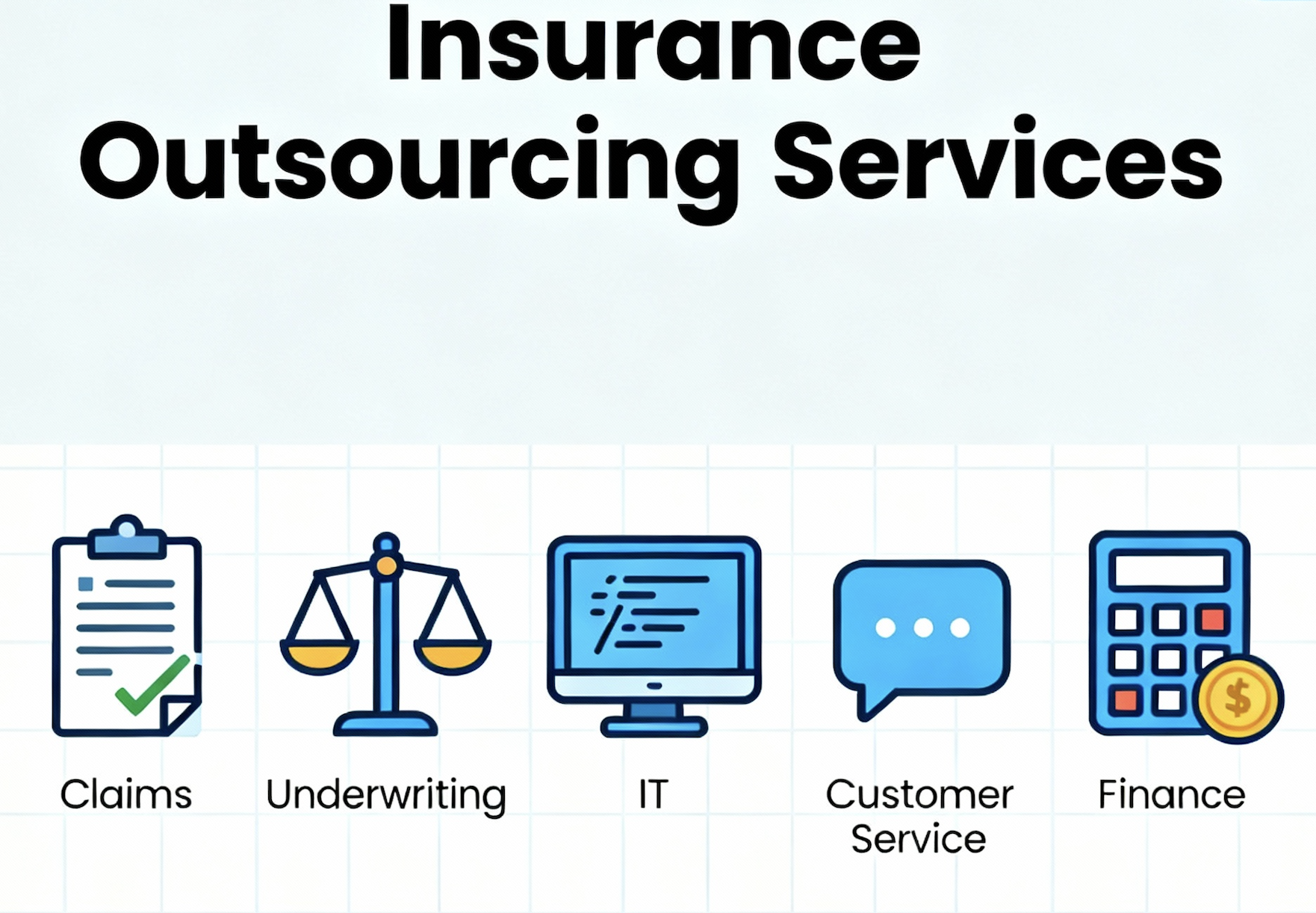
Insurance outsourcing has become a foundational component of the modern insurance industry. Insurers frequently turn to specialist outsourcing entities for functions such as post-sales administration, claims management, actuarial support, IT, and data processing.
Companies choose to outsource to focus on core business areas, achieve cost efficiencies, and leverage expertise in specialist domains. Legal contracts govern outsourcing arrangements. These contracts specify deliverables, fees, and performance requirements for a defined period. Despite its many advantages, insurance outsourcing brings challenges and risks. This is especially true for companies such as ME plc that rely on external partners for critical operations.

The Business Case for Insurance Outsourcing
Insurance businesses outsource for two primary reasons: cost savings and operational focus. Companies delegate tasks such as claims handling and administrative support. This helps them drive down operational expenses and access cutting-edge technologies. It also allows them to focus managerial resources on strategic growth.
Fixed contractual costs simplify budgeting and financial planning. Moreover, outsourcing partners often bring specialised skills and industry experience. This helps to improve overall process efficiency and deliver better customer service.
Key Risks and Challenges in Insurance Outsourcing
While the benefits are widely recognised, insurance outsourcing also exposes insurance companies to a range of risks. The three major challenges in outsourcing post-sales administration and claims handling include:
1. Loss of Control and Direction
When a business outsources critical functions to a third party, it cedes a degree of control over how those services perform. Control over post-sales administration and claims—central to customer experience—now rests with the service provider firms. These firms operate in a separate jurisdiction.
The geographical and managerial separation also raises risks. Promises made to customers at the time of sale may not be honoured in practice.
2. Customer Satisfaction and Reputational Damage
Insurance regulation emphasizes trust, and customer satisfaction is often judged at the moment of claim. This typically occurs during times of distress. Mismanaged outsourcing can result in unsatisfied customers and negative publicity.
Poor service undermines confidence. It can have legal consequences that threaten both the firm’s reputation and its financial stability. Declining renewal rates and negative word-of-mouth are common indicators of such risks.
3. Data Protection and Integration
Cross-border outsourcing brings additional complexities around data protection. Different jurisdictions may have varying standards for data privacy and cybersecurity. When the insurance company transfers customer and policyholder information overseas, it must ensure the partner’s security practices align with regulations such as GDPR.
Any lapses in integration or protection can lead to data breaches and costly legal ramifications.
Action Steps for Improvement
To mitigate these risks, you should assert greater control and oversight over outsourced functions. Amendments to contracts with service provider firms should mandate compliance with all applicable laws and regulatory requirements. They should ensure transparency in operations and establish clear accountability for service quality.
Outsourced functions should require periodic audits, ongoing staff training, and regular reporting to senior management. Claims handling standards must meet regulatory benchmarks such as those outlined by the FCA’s Insurance Conduct of Business sourcebook (ICOBS). The outsourcing partner’s workforce must be technically qualified.
By actively managing relationship dynamics and embedding robust controls, insurance companies can reap the benefits of outsourcing. At the same time, they can safeguard against operational, reputational, and legal risks.